
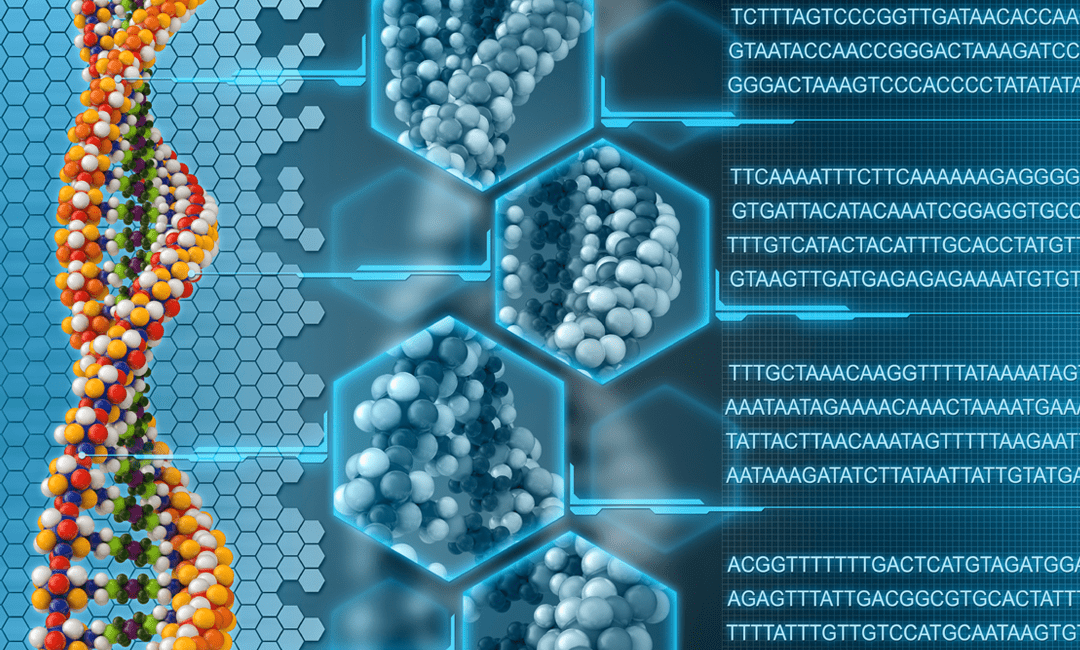
Timeline of human genome sequencing
The journey to understanding the human genome has been long and filled with groundbreaking discoveries. From early genetic research to modern sequencing technologies, each step has brought us closer to decoding the blueprint of life. These advancements have not only deepened our understanding of biology but have also transformed healthcare, enabling personalized medicine, early disease diagnosis, and targeted therapies. Below is a timeline of some of the most pivotal moments in human genome sequencing and genetics.
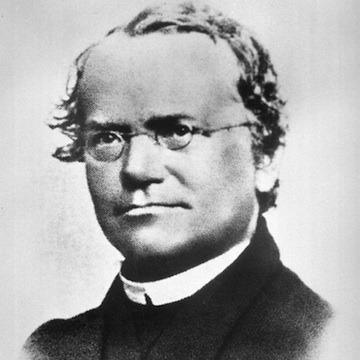
1865
Gregor Mendel, the father of modern genetics publishes his research on experiments in plant hybridization.
In his monastery garden, in period between 1856-1863, he performed crossing of pea plant varieties having different heights, colors, pod shapes, seed shapes. For example, when he crossed yellow peas with green peas, all the offspring peas were yellow. But when these offspring reproduced, the next generation was ¾ yellow and ¼ green. His work, published in 1865, showed that genes determine traits in predictable ways.
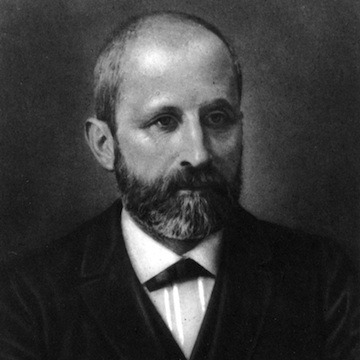
1869
*Friedrich Miescher discovers „nuclein“ from cell nuclei, DNA with its associated proteins *
During his research on white blood cells, he succeeded in isolating a new molecule from the cells’ nuclei and he called it nuclein. Nuclein contained hydrogen, oxygen, and a unique ratio of phosphorus and nitrogen. Even though he spent his whole life studying nuclein, he and researchers of his time considered nuclein as the molecule by which traits passed from parents to children. The importance of DNA wasn’t discovered for many years.
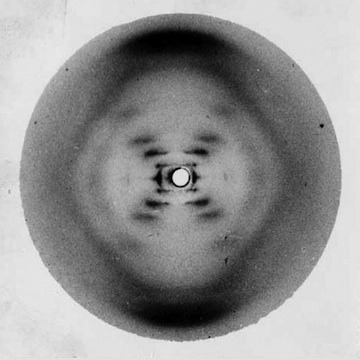
1952
Rosalind Franklin created „Photograph 51“ and shows helical shape of DNA for the first time
Rosalind Franklin was born in London in 1920. After graduating from Cambridge University, she studied x-ray techniques in Paris. The year after her graduation, she moves to London and with Maurice Wilkins molecular biologist, uses X-ray crystallography to study DNA. Finally, using this technology, they create the first photography where the helical structure of DNA was clearly visible.
1953
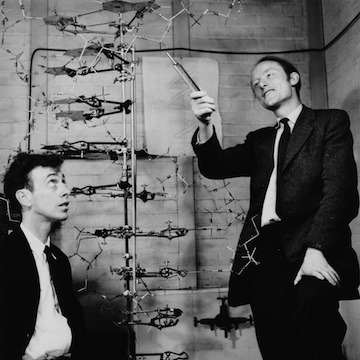
James Watson i Francis Crick otkrivaju dvostruku zavojnicu DNK-a
Njih dvojica su modelirali strukturu DNK, a to je dvostruka zavojnica sa šećerima i fosfatima koji tvore vanjski dio lanca zavojnice i baza koje su okrenute prema centru. Hydrogen bonds connect the bases, pairing A–T and C–G; and the two strands of the helix are parallel but oriented in opposite directions. Their notes show that this model “immediately suggests a possible copying mechanism for the genetic material.”
1961
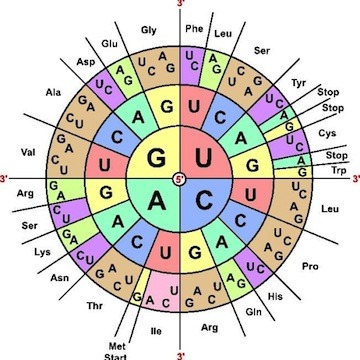
Marshall Nirnberg cracks the genetic code for protein synthesis
Identifying „UUU“ (three uracil bases in a row) as the RNA code for phenylalanine was the first breakthrough Nirnberg makes in 1961. Nirnberg makes in 1961. In the following years, Nirnberg and his team decoded the 60 mRNA codons for all 20 amino acids. In 1968, Nirenberg shared the Nobel Prize in Physiology or Medicine for his contributions to decoding the genetic code and understanding protein synthesis.
1977
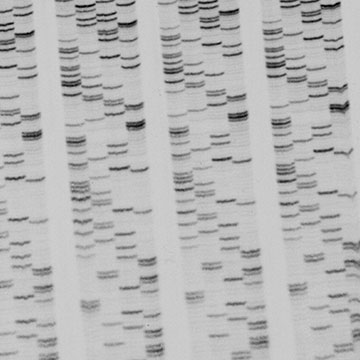
Frederick Sanger succeeds in developing the rapid DNA sequencing technique
In order to determinate the order of bases in a strand of DNA, Frederick Sanger developed the classical “rapid DNA sequencing” technique , nowadays known as the Sanger method. For his contributions to DNA-sequencing methods, Frederick Sanger shared the 1980 Nobel Prize in Chemistry.
1983
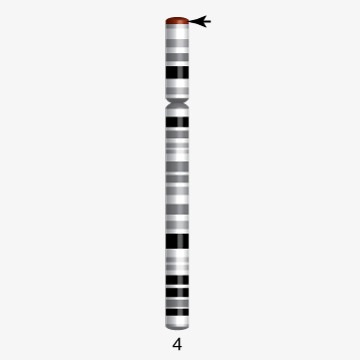
Huntington’s disease – the first mapped genetic disease
This disease causes death of specific neurons in the brain, leading to jerky movements and dementia. Symptoms usually appear in midlife and worsen progressively. Location of the HD gene, whose mutation causes Huntington disease, was mapped to chromosome 4. This made this gene the first disease gene to be mapped. This gene was finally isolated in 1993.
1983
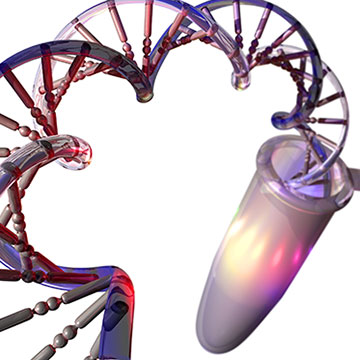
Polymerase chain reaction (PCR) technology for amplifying DNA was invented
PCR is a pretty straight forward and low cost technology for amplifying or making billions of copies of a segment of DNA, and is considered as one of the greatest scientific advances in molecular biology. Today, this technology is used every day to diagnose diseases, identify bacteria, and viruses. As a proof of how much this technology revolutionized research of DNA is the fact that Dr. Kary Mullis was awarded the Nobel Prize in Chemistry in 1993.
1989
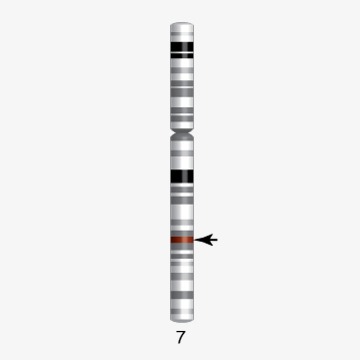
Cystic Fibrosis gene mutation discovered
Cystic fibrosis (CF) is a life-threatening genetic disease that causes thick, sticky mucus to build up in the lungs, digestive tract, pancreas, and other organs. In the early 1980’s, many laboratories tried to identify the gene that causes this disease. Finally, In June 1989, researchers identified a small DNA mutation in 70% of cystic fibrosis patients, while this mutation wasn’t found in healthy individuals. The discovery of the CFTR gene is the single most important discovery to date in research of Cystic fibrosis.
1990
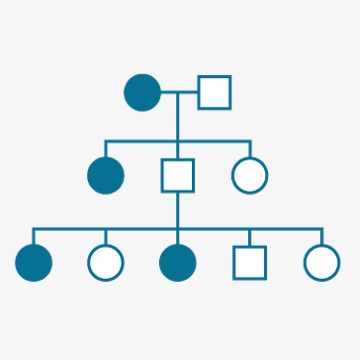
First evidence of BRCA1 gene existence
BRCA1 (BReast CAncer gene 1) is a gene which normally produces a protein that prevents cells from growing and dividing out of control. However, some variations of BRCA1 can disrupt its normal function, which can lead to increased hereditary risk for cancer. The gene was finally isolated in 1994. Today, researchers have identified more than 1,000 mutations of the BRCA1 gene.
1990
The beginning of the Human Genome Project
In 1984. the U.S. Department of Energy (DOE), National Institutes of Health (NIH), and international groups held meetings about studying the human genome. Already in 1990 NIH and DOE published a plan for the first five years of an expected 15-year project. The goal of the project was to develop technologies for analyzing DNA, mapping and decoding human, as well as mice and fruit genomes.

2003
Completion of the Human Genome Project
The Human Genome Project officially ended in April 2003, two years ahead of schedule. Scientists successfully sequenced the entire human genome, consisting of approximately 3 billion DNA base pairs. This monumental achievement has provided the foundation for advancements in personalized medicine and genetic research.
2012
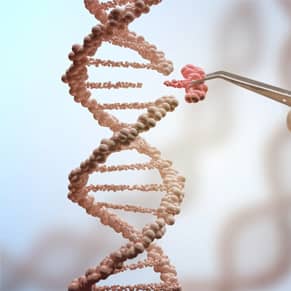
CRISPR-Cas9 Gene Editing
The discovery of CRISPR-Cas9 as a powerful gene-editing tool revolutionized genetic research. With this technique, scientists can now edit genes with unprecedented precision, efficiency, and flexibility. CRISPR-Cas9 has since been applied in research for treating genetic disorders, cancer, and even potential gene therapies.

2015
The 1000 Genomes Project
The 1000 Genomes Project, initiated in 2008 and completed in 2015, cataloged genetic variations in over 1,000 individuals from different populations worldwide. This project provided a detailed map of human genetic diversity, which has been essential in studying population genetics, evolution, and disease susceptibility.
2022
Telomere-to-Telomere (T2T) Consortium
In 2022, researchers from the Telomere-to-Telomere (T2T) Consortium successfully completed the first fully sequenced human genome, filling in gaps left by the Human Genome Project. This achievement completed the last 8% of the human genome, covering previously unresolved regions, including highly repetitive DNA and regions associated with important biological functions.These milestones represent the collective efforts of scientists over the past century and a half to unravel the complexities of our genetic makeup. Each discovery not only deepened our understanding of genetics but also opened new possibilities in medicine, diagnostics, and personalized therapies. The future of human genome research continues to hold exciting prospects, with advancements in CRISPR and other gene-editing technologies.
Prijavite se na naš Newsletter!
Pratite novosti i inovacije iz laboratorijskog svijeta.
Prijavi se