

Enhancing Lab Test Ordering: Practical Strategies for Improvement
Addressing inefficiencies in test ordering can often feel like facing an impenetrable wall. Despite knowing that certain practices, such as ordering unnecessary tests before minor surgeries, are outdated, making change happen is a challenge.
The key to breaking through this barrier lies in adopting effective strategies that leading hospitals and laboratories worldwide use to enhance their processes. These strategies are designed to eliminate the negative impacts of incorrect test ordering and streamline procedures.
In this post, we will explore proven tactics to improve test ordering and share practical examples from top institutions. By focusing on these effective approaches, you can transform your test ordering practices and achieve better outcomes.
Proven Strategies to Improve Test Ordering
1. Simplify and Restrict the Ordering Process
To achieve more precise test ordering, follow this key principle:
-
Simplify the process for tests you want to encourage.
-
Complicate the process for tests you wish to restrict.
For example, implement additional forms or system barriers to make it cumbersome for specialists to order less relevant or outdated tests. This tactic helps address issues such as double testing, obsolete tests, and unrealistic test orders based on incorrect parameters.
Rule: Once new forms are in place to enhance ordering accuracy, ensure that all old forms are removed or eliminated from your ordering system to prevent confusion and maintain consistency.
2. Implement Privileges and Prohibitions
Allowing every doctor to order every test isn’t always ideal. Instead, consider assigning specific privileges for certain tests. For example:
-
Only a gastroenterologist can order comprehensive panels for celiac disease, while others can only request basic more tests like tissue transglutaminase and IgA levels.
-
Only a gynecologist or genetic consultant can order invasive prenatal tests.

This approach ensures that tests are ordered by the most qualified individuals, improving accuracy and relevance.
Rule: Privileges and prohibitions can lead to strong reactions, from frustration to a sense of enhanced responsibility. Use these tactics carefully to balance efficiency with staff morale.
3. Utilize the “I Need Help” Approach
While radical tactics can be effective, the “I Need Help” approach offers significant benefits. This tactic requires that ordering any complex test must be accompanied by a consultation with the relevant expert.
Advantages of encouraging expert consultation include:
-
Enhanced Understanding: Doctors gain a better understanding of which tests are appropriate, while diagnostic experts gain deeper insights into the patient’s condition.
-
Optimized Expertise: The expertise of specialists in pathology, genetics, microbiology, biochemistry, and hematology is utilized effectively.
-
Improved Communication: Promotes regular communication and collaboration between different medical departments and specialties.
Rule: For this tactic to be effective, clearly define which tests require expert consultation. Without clear guidelines, the approach may yield inconsistent results.
4. Leverage Data-Driven Feedback
Doctors often resist feedback about test ordering practices, especially when it’s not backed by solid evidence. To ensure that feedback is taken seriously and leads to improvement, it needs to be supported by clear, data-driven insights.
Use analytics to:
-
Identify Patterns: Spot departments or doctors with unusual ordering habits.
-
Monitor Changes: Track adjustments as new tests are introduced.
-
Avoid Redundancies: Detect duplicate or similar tests.
**Rule: **Develop valuable dynamic reports in your laboratory management system or hospital reporting solution to provide the evidence needed to support feedback and drive meaningful improvements.
5. Provide Clear, Visual Guidelines
There’s no one-size-fits-all for test ordering, and even experienced doctors can’t always rely on intuition alone. Ideally, decisions should be guided by clear recommendations.
However, guidelines are often complex and not always accessible, leading doctors to rely on outdated practices.
Mayo Clinic Medical Laboratories provides a practical solution with visual algorithms for test ordering. For instance, they use algorithms to estimate vitamin B12 deficiency, as shown below:
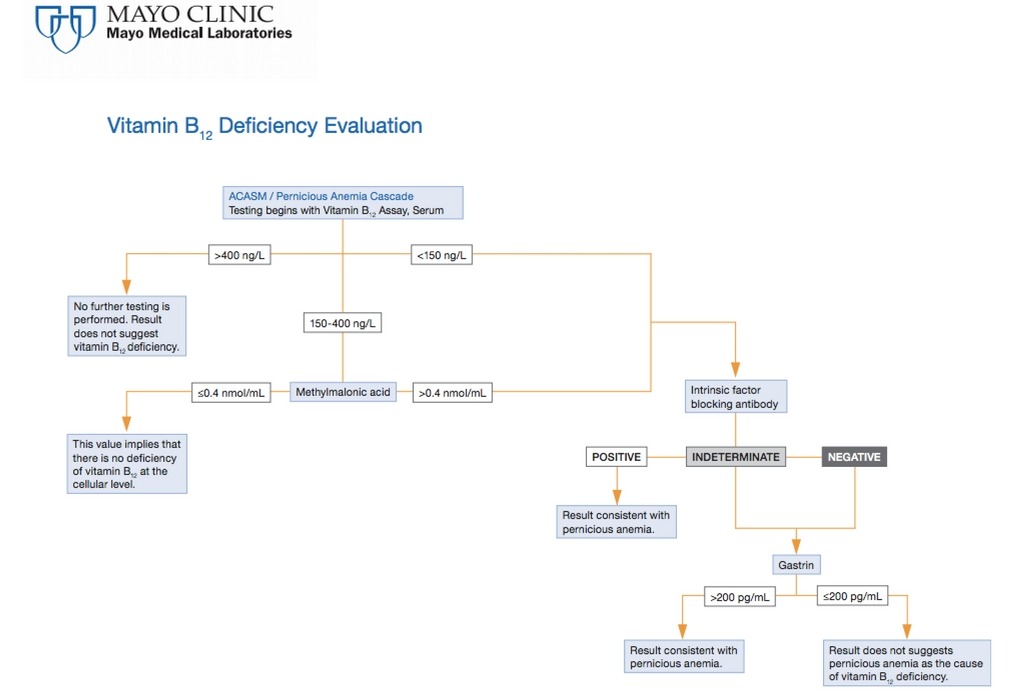
These algorithms ensure up-to-date guidelines and provide quick, clear answers, helping doctors make informed decisions.
Useful Resource: Explore Mayo Clinic’s algorithms for diagnosing and monitoring diseases.
Putting It All Together
You’ve explored key strategies for refining test ordering practices. With these insights, you’re ready to enhance your processes and tailor them to your specific needs.
While implementing these changes may be challenging, they are essential for improving efficiency and outcomes. Start applying these tactics to see positive transformations in your laboratory.
Prijavite se na naš Newsletter!
Pratite novosti i inovacije iz laboratorijskog svijeta.
Prijavi se